
Can AI Really Understand Your Skin Better Than a Dermatologist?

Artificial intelligence is rapidly transforming the skincare industry. From AI-powered skin analysis apps to hyper-personalized product recommendations, technology promises faster insights and more customized solutions than ever before. For consumers, this innovation offers convenience and accessibility. For brands and clinics, it creates new opportunities to enhance patient experiences and deliver data-driven care.
Yet skincare is more than data points and algorithms. Skin health is influenced by lifestyle, stress, environment, and individual biology — factors that require context, empathy, and professional judgment. As AI continues to evolve, an important question emerges: can technology truly understand your skin better than a dermatologist?
To explore this question, I asked five experts to share their perspectives.

Cem Bahadir, PhD Professor of Marketing, Florida International University
“Consumers and firms have to educate each other about AI applications, especially in the context of health-related products. Consumers should use AI tools specifically developed for health purposes, and firms must be transparent about how they use the information provided by consumers.”

Claudia Pacheco Social Media Manager, CG Cosmetic Surgery
“Artificial intelligence is transforming the skincare industry by enabling more precise skin analysis, personalized product recommendations, and improved patient experiences. However, the human touch remains essential to truly understand individual needs and build trust. The future of skincare lies in balancing advanced technology with professional expertise.”

Marie Ann Altuve Marketing & Brand Growth Consultant | MSM Candidate
“AI has become a powerful tool for simplifying and accelerating professional work by processing thousands of data points in seconds. While it can’t replace a dermatologist’s clinical judgment, AI can support diagnosis and treatment by identifying patterns and offering data-backed insights. The real opportunity isn’t AI versus doctors, but AI working alongside experts to improve accuracy, efficiency, and access to care.”
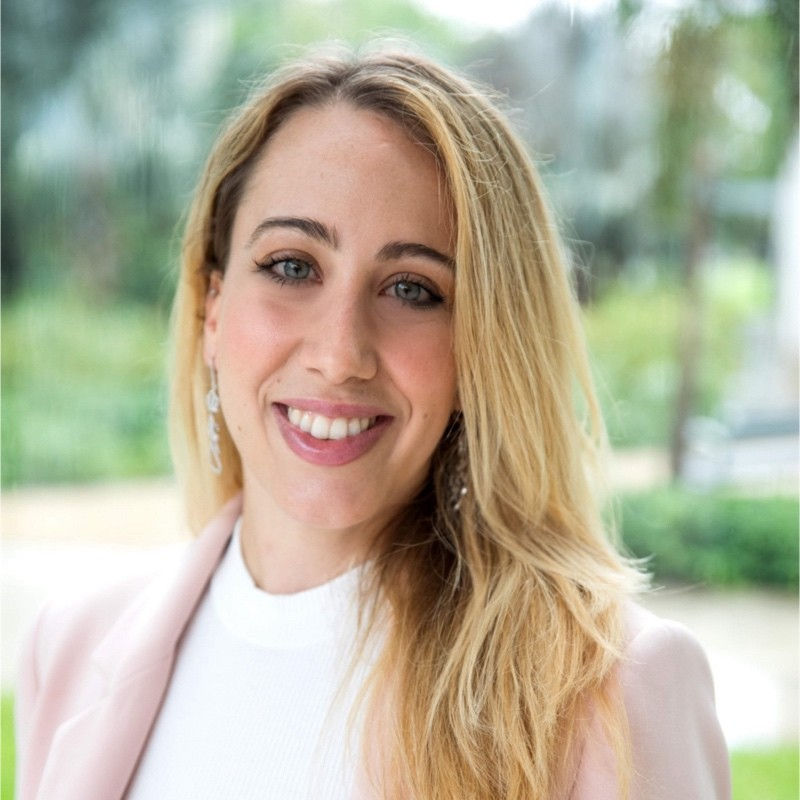
Michela Di Giorgio Martin, MS Social Media Strategist & Employee Advocacy Specialist
“AI can be a great starting point when you want a quick answer or initial insight, especially in a world where we expect information instantly. But when it comes to your skin, nothing replaces the expertise and clinical judgment of a dermatologist who can see the full picture. AI is a helpful tool, but it cannot substitute for professional medical evaluation.”
Finding the Balance Between Technology and Trust
Together, these perspectives reveal a clear theme: artificial intelligence is reshaping skincare, but its true value lies in collaboration rather than replacement. AI excels at analyzing vast amounts of data, identifying patterns, and delivering personalized insights quickly. This capability can improve efficiency, expand access to care, and empower consumers with better information.
However, skincare decisions are not purely technical. Trust, emotional understanding, medical expertise, and ethical transparency remain essential. As Professor Bahadir highlights, transparency in how consumer data is collected and used will play a crucial role in building confidence in AI-driven tools. Without trust, even the most advanced technology will struggle to gain adoption.
From a marketing perspective, this shift presents both an opportunity and a responsibility. Consumers increasingly seek fast answers and personalized experiences, but they also expect authenticity and credibility. Brands that position AI as a supportive tool — rather than a miracle solution — will be better positioned to earn long-term loyalty.
The Future of Skincare is Human + Intelligent
The future of skincare is not AI versus dermatologists. It is AI enhancing professional expertise, improving patient experiences, and helping consumers make more informed decisions.
Technology can analyze skin.Professionals understand people.Trust is built where both meet.
As AI continues to evolve, the brands and clinics that succeed will be those that combine innovation with empathy, data with transparency, and technology with human care.


Comments